
Cod Exports Down 16.1%, Export Value Up 24%: But Where Does the Value Go?
A week spent talking about cod, value creation, seafood innovation and the people shaping the industry.

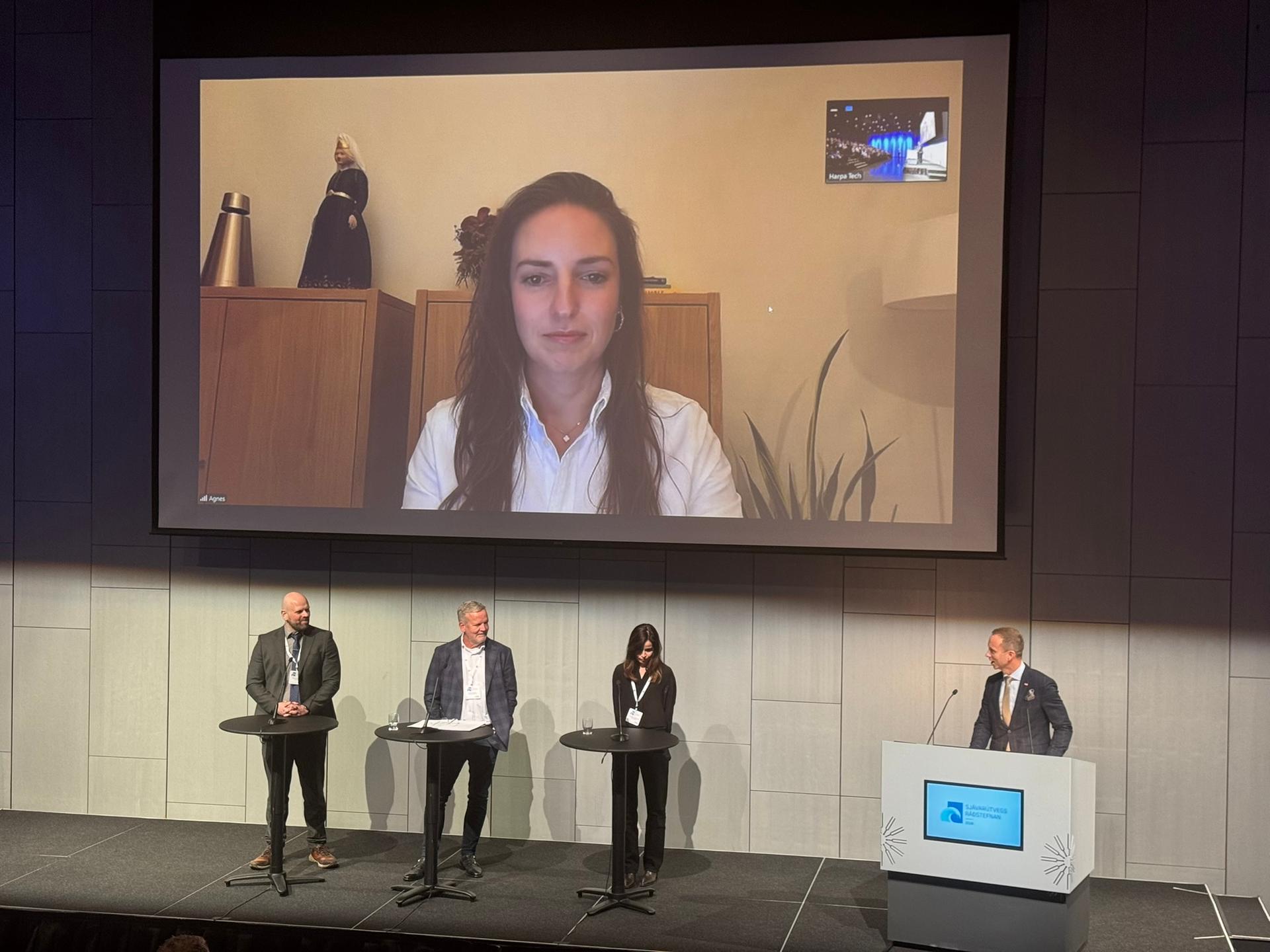
At Iceland's Seafood Conference last week, I presented on cod and asked a simple question: where is value created, and where does it end up?
Iceland's cod export volume was 16.1% lower in 2025 than in 2021. The price per kilo rose 47.3%, and export value rose 24%.
When volume falls and value rises, the conversation changes. It is no longer only about how much fish we sell. It becomes a question of where the value ends up.
One point from my presentation stood out. Raw material prices have risen faster than product prices.
My reading is that this raises a different question from the one we usually ask about volume and value.
How much more are consumers willing to pay?
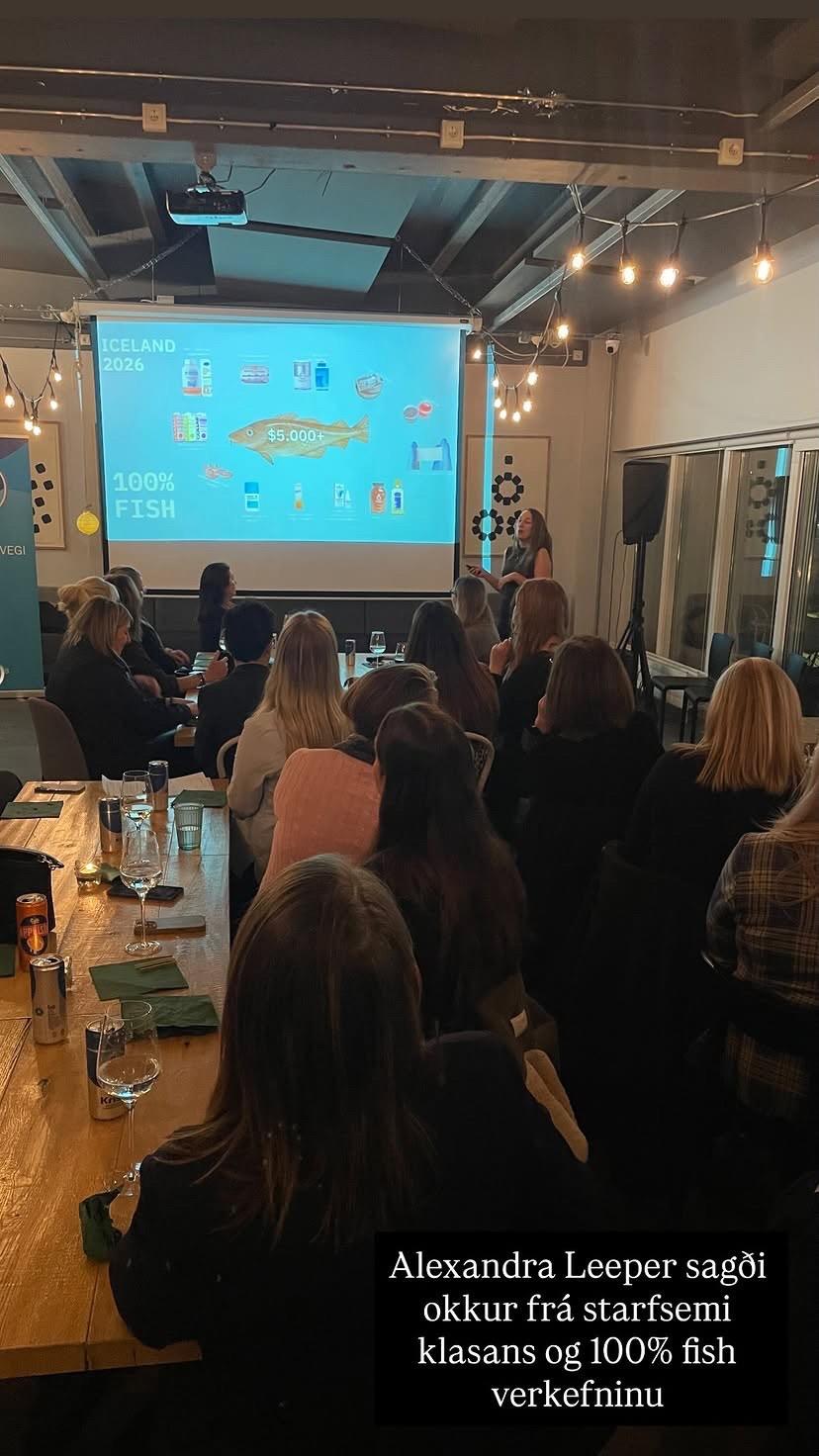
Women in Seafood at the Ocean Cluster
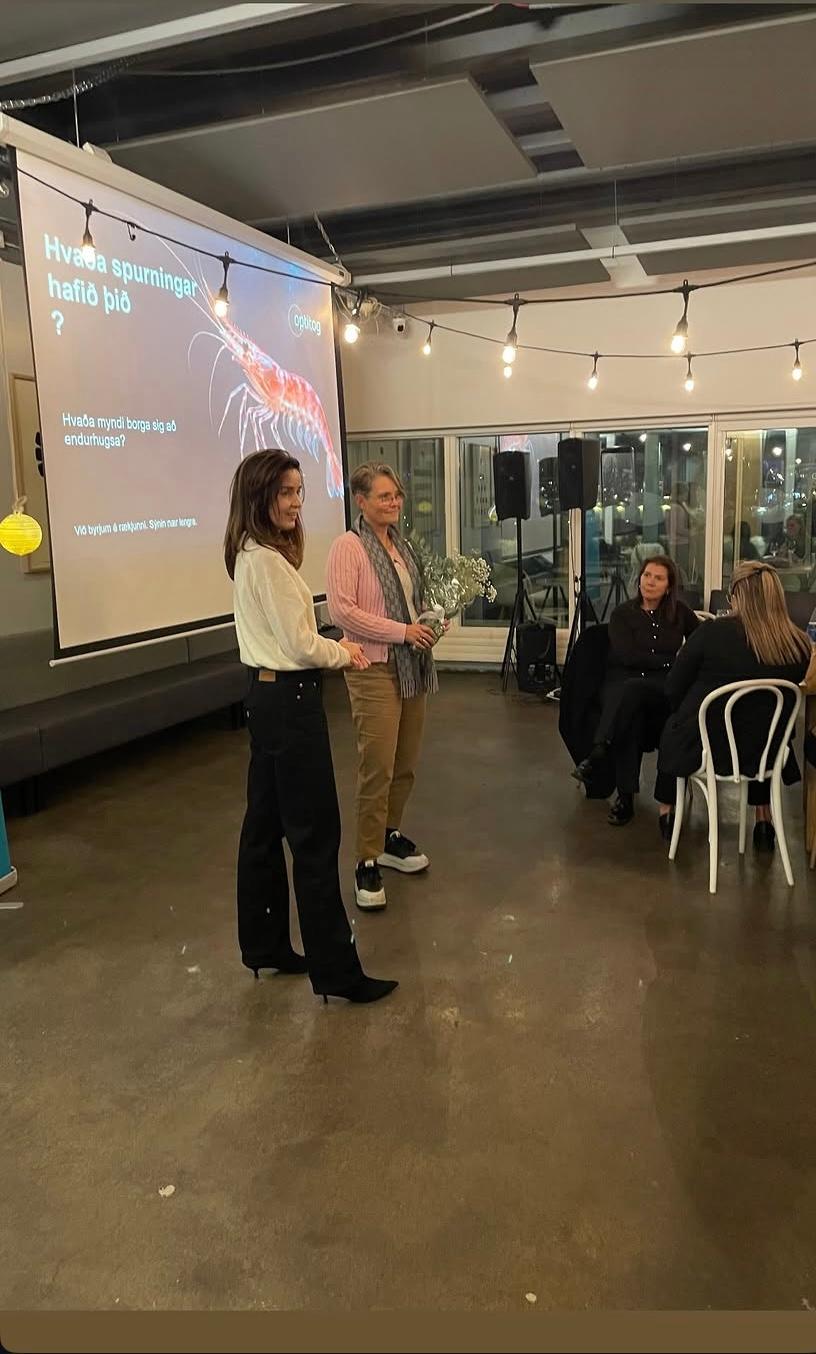
KIS, Women in Seafood (Konur í sjávarútvegi), spent an evening at the Ocean Cluster in Reykjavík. We learned about the Cluster's work and the 100% Fish project, and heard from three start-ups based there in Reykjavík: LearnCove, GreenFish and OptiTog.
What strikes me every time I visit the Ocean Cluster is how much innovation can grow around one industry. The idea behind the 100% Fish project is simple: use more of every fish. Over the years that idea has helped create products, companies and new value streams from parts of the catch that were once overlooked.
It is one reason I often describe Iceland as the Silicon Valley of seafood.
Two Numbers That Stayed With Me
Two numbers from a seafood industry discussion earlier that week stayed with me.
Ragnar Nystøyl of Kontali showed that the share of European consumers who say fish is too expensive rose from 14% in 2016 to 26% in 2024.
Lovísa Finnbjörnsdóttir of Deloitte reported that revenue across Icelandic fisheries rose 12% in 2025 to ISK 369 billion, while return on equity recovered to 9.9%.
My presentation focused on where the value goes. Ragnar's figures add the consumer perspective. Lovísa's figures add the industry perspective.
Together, they bring me back to the same question: when seafood becomes more valuable, how is that value shared across the supply chain?
That is my interpretation, not a conclusion from either presentation.
If one in four European consumers already finds fish too expensive, who pays for the next price increase?
— Anna Björk, Oceans of Data
Anna Björk Theodórsdóttir
Founder & CEO